Understanding Brachioplasty: What an Arm Lift Really Involves
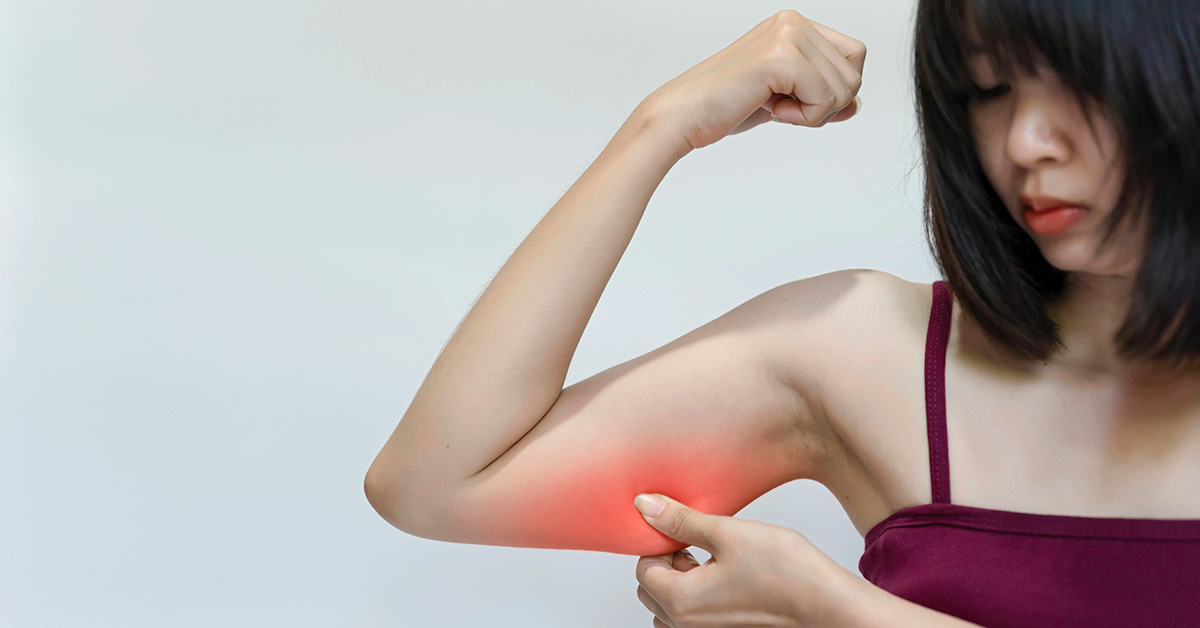
For many patients, excess skin or stubborn fat along the upper arms can be a source of frustration, especially when diet and exercise alone do not provide the desired contour. This is where brachioplasty, commonly known as an arm lift, can make a meaningful difference.
An arm lift is a surgical procedure designed to reshape the under-arm area by removing excess skin and fat, resulting in a smoother, firmer, and more proportionate silhouette. Whether due to aging, genetics, or significant weight loss, many individuals find that brachioplasty delivers long-lasting results that improve both appearance and confidence.
What Is Brachioplasty?
Brachioplasty targets the area between the underarm and elbow. The goal is not simply to reduce fat, but to tighten loose or sagging skin that no longer responds to traditional toning methods. In many cases, patients also choose to pair this procedure with liposuction to address stubborn areas of fat and further refine the arm’s shape.
Unlike non-surgical treatments, which can be limited in their ability to address lax skin, brachioplasty directly removes the excess tissue that contributes to an “arm flab” appearance. The result is a more naturally defined arm that aligns with the rest of your body’s proportions.
Is an Arm Lift Right for You?
Ideal candidates for brachioplasty typically have:
-
Loose or sagging skin on the upper arms
-
A stable weight with a desire for long-term improvement rather than temporary results
-
Realistic expectations about outcomes and scar placement
-
Good overall health and the ability to undergo surgery
This procedure is particularly common among patients who have experienced significant weight loss and find that excess skin persists even after reaching their weight goals.
What Happens During the Procedure?
Brachioplasty is performed under general anesthesia in a fully equipped surgical facility. The specifics of the surgical plan depend on the amount of tissue being removed and the individual’s anatomy, but in general:
-
Incision placement:
The surgeon makes incisions in the inner arm, typically from the underarm toward the elbow. The length of the incision varies based on how much skin needs to be removed. -
Tissue reshaping:
Excess skin and fat are carefully removed. In some cases, liposuction is used to further refine contours and achieve a smoother transition. -
Muscle tightening:
If necessary, deeper tissues and supportive structures are tightened to improve overall contour and definition. -
Closing the incision:
Once the desired shape is achieved, incisions are closed with sutures. Surgical tape or dressings are applied to support the area.
The result is a firmer, more sculpted arm that looks more proportionate and contoured.
What to Expect During Recovery
Recovery from brachioplasty involves a few key phases, and proper care during this time greatly influences the final result.
First Few Days
After surgery, swelling and bruising are normal. You may feel some tightness or discomfort, which is managed with prescribed pain medication. Keeping the arms elevated and resting helps reduce swelling.
First Week or Two
Most patients wear a compression garment to support healing and minimize swelling. Light walking is encouraged to promote circulation, but activities that raise the heart rate significantly or put strain on the arms should be avoided.
Four to Six Weeks
As healing progresses, many patients find they can gradually return to light daily activities. It’s still important to avoid heavy lifting and upper-body workouts until your surgeon confirms that tissues have healed sufficiently.
Long Term
Swelling continues to diminish over several months, and the final contour becomes more apparent as the body settles. Scarring will also mature over time and typically fades, though it will never disappear entirely. Your surgeon will provide guidance on scar care to optimize its appearance.
Tips for a Smooth Recovery
A few thoughtful steps can make your recovery more comfortable and effective:
-
Follow all post-op instructions carefully: These are tailored to your specific surgery.
-
Wear compression garments as directed: This supports healing and contouring.
-
Stay hydrated and maintain a healthy diet: Proper nutrition supports tissue repair.
-
Avoid smoking and excessive alcohol: These can interfere with healing.
-
Attend all follow-up appointments: These help monitor progress and answer questions.
What Results Can You Expect?
An arm lift does more than change appearance. Many patients notice:
-
Better fitting clothing
-
Improved confidence in sleeveless outfits
-
A smoother transition from underarm to torso
-
A rejuvenated look that complements other body contouring results
The transformation is typically long-lasting when combined with a stable weight and healthy lifestyle.
Is Brachioplasty Worth It?
Deciding on any surgical procedure is personal. An arm lift is not a minor decision, but for individuals whose upper arms have resisted even the most dedicated efforts at toning, it can be profoundly satisfying.
The most natural, enduring results come from a balanced surgical plan, thoughtful recovery, and working with a board-certified plastic surgeon who understands both aesthetic goals and individual anatomy. If your upper arms make you self-conscious or you want an arm contour that matches the rest of your body’s shape, brachioplasty may be the right choice.