Gynecomastia: Is It Fat—or Is It Gland?
By Dr. Kenneth Odinet
One of the most common questions I hear from men concerned about the appearance of their chest is, “Is this just fat, or do I actually have gynecomastia?” The answer is important because the type of tissue causing the fullness helps determine the best treatment.
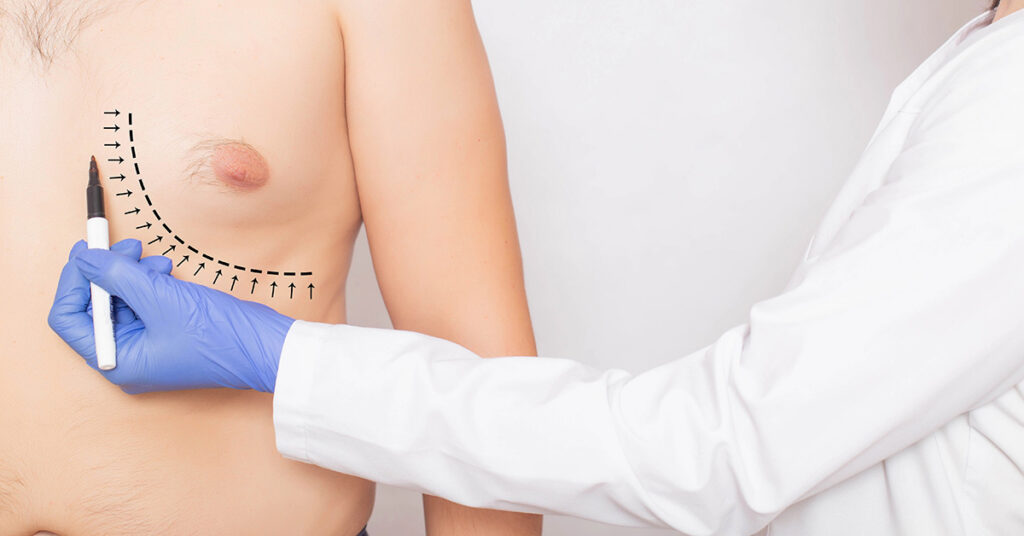
Gynecomastia is an enlargement of the male breast that can involve glandular breast tissue, excess fat, or a combination of both. Weight changes, hormones, certain medications, genetics, and other factors can contribute to the condition. For some men, the problem begins during adolescence and never completely resolves. For others, it develops later in life.
When the fullness is primarily caused by excess fatty tissue, liposuction may be enough to improve the contour of the chest. Through small incisions, unwanted fat can be removed and the chest sculpted to create a flatter, more masculine appearance.
When firm glandular tissue is present beneath or around the nipple, however, liposuction alone may not adequately correct the problem. In these cases, the glandular tissue may need to be surgically removed. Many patients have both fat and glandular tissue, so I may recommend a combination of liposuction and direct excision to achieve the best contour.
Skin quality also matters. Men who have experienced significant weight loss, aging, or more advanced gynecomastia may have loose or stretched skin. Removing fat and gland alone may not provide the desired result if excess skin remains, and additional skin removal may sometimes be necessary.
How Do You Know Which One You Have?
It can be difficult to determine simply by looking in the mirror. During a private consultation, I evaluate the amount and location of fat, glandular tissue, skin elasticity, nipple position, overall chest anatomy, and your goals. I also review your medical history and medications to help determine whether there may be an underlying cause that should be addressed.
The goal of gynecomastia surgery is not simply to remove tissue. It is to reshape the chest while maintaining a natural, masculine contour that fits the patient’s body.
If you have been exercising, losing weight, and working on your chest but still have persistent fullness around the breast or nipple area, it may not be something that additional workouts can correct.
The first step is finding out what is actually causing the fullness.