Under the Muscle vs. Over the Muscle Breast Implant Placement: What Patients Should Know
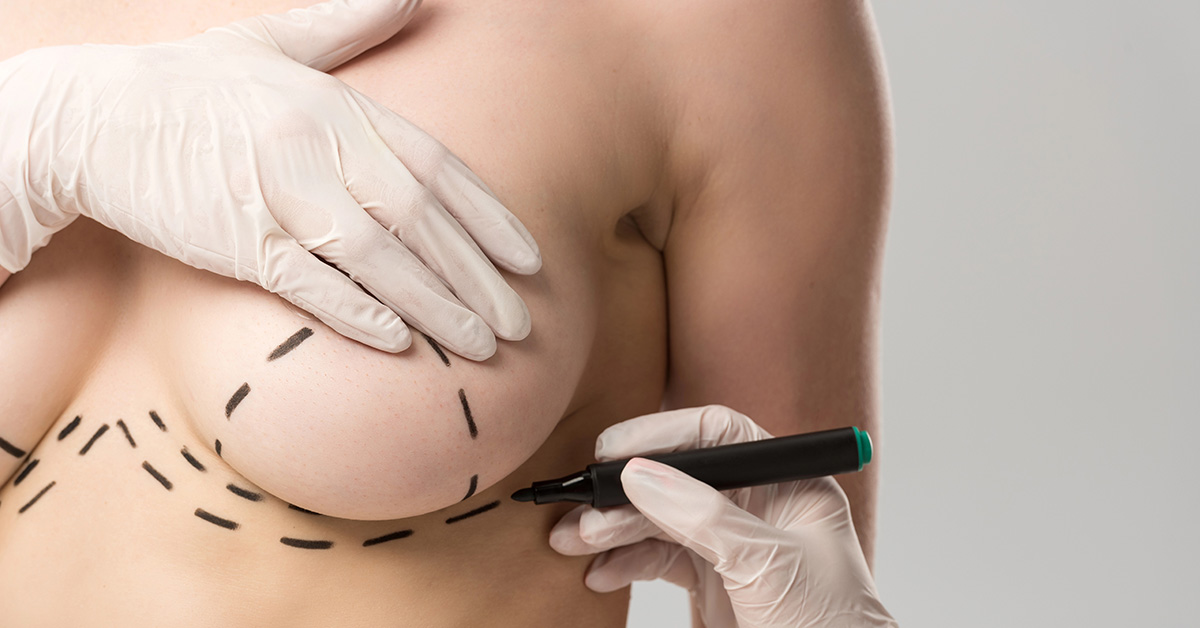
When considering breast augmentation, one of the most important decisions is where the implant will be placed. As a board-certified plastic surgeon, I spend a significant amount of time educating patients on the differences between implants placed under the muscle versus over the muscle because the right choice depends on your anatomy, lifestyle, aesthetic goals, and long-term expectations.
Both techniques can produce beautiful results when performed appropriately, but each approach has unique advantages and disadvantages.
Understanding Implant Placement
Breast implants are generally placed in one of four positions:
- Submuscular : The implant is placed partially beneath the pectoralis major muscle. * Subfacial: The implant is placed on top of the muscle, but under the muscle facia and gland.
*. Subglandular: The implant is onto of the facia and muscle, under the gland. * Dual Plane: Combines the elements of both sub muscular and sub glandular. This is one of the most commonly used techniques.
Why Many Surgeons Prefer Under-the-Muscle Placement
For many patients, placing the implant beneath the muscle offers the most natural-looking and long-lasting result.
Pros of Under-the-Muscle Implant Placement
- More Natural Appearance
The muscle provides additional soft tissue coverage over the implant, especially in the upper portion of the breast. This creates a smoother transition and helps the implant appear less visible or palpable.
Patients with thinner breast tissue often benefit the most from this approach.
- Lower Risk of Visible Rippling
Implant rippling is more common when there is minimal natural breast tissue. Muscle coverage helps camouflage the implant edges and decreases the likelihood of visible ripples.
- Reduced Risk of Capsular Contracture
Studies have shown that submuscular placement may reduce the risk of capsular contracture, a condition where scar tissue tightens around the implant and causes firmness or distortion.
- Improved Mammogram Visualization
Implants under the muscle can make breast imaging easier because more breast tissue remains visible during mammography.
- Better Long-Term Support
The muscle can provide additional support over time, potentially helping maintain upper pole fullness and implant positioning longer.
Cons of Under-the-Muscle Placement
While this technique offers many benefits, it is not ideal for every patient. 1. Longer Recovery
Because the chest muscle is elevated during surgery, patients often experience more soreness and tightness during the initial recovery period.
- Animation Deformity
Some patients may notice movement or distortion of the implant when flexing the chest muscles. This is called animation deformity and can occur in active individuals or athletes.
- Slightly More Complex Procedure
Submuscular placement requires more surgical dissection and precision, making surgeon experience especially important.
When Subglandular or Subfacial Placement May Be a Better Choice
Over-the-muscle implant placement has become increasingly popular in select patients, especially with advances in implant technology and surgical techniques.
Pros of Over-the-Muscle Implant Placement
- Faster Recovery
Because the muscle is not manipulated, many patients experience less discomfort and a quicker return to normal activities.
- No Animation Deformity
The implant remains stable when the chest muscles contract, which can be particularly beneficial for bodybuilders, fitness competitors, and highly active patients.
- Enhanced Cleavage and Projection
In some patients, over-the-muscle placement can create more dramatic fullness and enhanced cleavage.
- More Predictable Implant Shape
Since the muscle does not compress the implant, the final shape may appear more defined immediately after surgery.
Cons of Subglandular or Subfacial Placement
- Greater Risk of Visible Rippling
Patients with thin tissue coverage may see or feel implant edges more easily. 2. Less Natural Upper Pole Slope
Without muscle coverage, the upper breast may appear rounder or less natural in certain body types.
- Higher Potential Risk of Capsular Contracture
Historically, subglandular placement has been associated with a slightly higher rate of capsular contracture.
- Increased Visibility in Thin Patients
In very lean individuals, the implant may appear more obvious beneath the skin.
Which Option Is Best?
There is no universal “best” placement for every patient. The ideal technique depends on several factors, including:
- Existing breast tissue
- Body frame and skin thickness
- Lifestyle and exercise habits
- Desired aesthetic outcome
- Implant size and type
- Long-term goals
In general:
- Patients with thinner tissue often benefit from under-the-muscle placement for a softer, more natural look.
- Athletes and highly active individuals may prefer over-the-muscle placement to avoid animation deformity.
- Patients seeking subtle enhancement frequently achieve optimal results with submuscular or dual-plane placement.
The Importance of a Personalized Consultation with a Board certified Plastic Surgeon
Choosing implant placement is not simply about trends — it is about selecting the safest and most effective approach for your anatomy and goals.
During a consultation, a board-certified plastic surgeon will evaluate:
- Your breast tissue thickness
- Chest wall anatomy
- Skin elasticity
- Lifestyle
- Desired breast shape and size
This individualized approach helps ensure beautiful, natural-looking results that age well over time.
Final Thoughts
Both under-the-muscle and over-the-muscle breast implant placement techniques can deliver excellent outcomes when carefully selected for the right patient.
While under-the-muscle placement remains the preferred option for many surgeons because of its natural appearance and added tissue coverage, over-the-muscle placement can be an excellent choice for properly selected candidates seeking a quicker recovery and enhanced projection.
The key is working with an experienced board-certified plastic surgeon who understands how to tailor the procedure to your unique anatomy and goals.